
Header Logo

Pet Obesity: Keeping Dogs and Cats at a Healthy Weight
Have you ever wondered if that “extra fluff” on your furry friend is actually something more serious? At Smyrna Animal Hospital, our veterinarians in Smyrna, GA often see dogs and cats that are carrying a little too much weight. While a chubby pup or round kitty may look adorable, pet obesity can quietly shorten lifespans and lead to painful health issues. The good news is that with awareness, support, and consistent habits, you can help your fourlegged buddy achieve and maintain a healthy weight for years to come.
Why Pet Obesity Matters
Pet obesity isn’t just about appearance. Carrying extra pounds increases the risk of arthritis, diabetes, heart disease, respiratory issues, and even certain cancers. Vets at our Smyrna, GA veterinary clinic frequently explain that excess fat also stresses joints and organs, reducing your pet’s quality of life. In fact, research shows that maintaining a lean body condition can extend a pet’s lifespan by as much as two years. For owners, that translates into more adventures, cuddles, and memories with your furry bestie.
How Common Is Obesity in Pets?
The Association for Pet Obesity Prevention estimates that over 50% of dogs and cats in the U.S. are overweight or obese. At Smyrna Animal Hospital, we routinely assess pets during wellness visits and find that many parents underestimate their pet’s size. What looks like “just a little pudgy” is often several pounds overweight. That’s a lot for an animal who may only weigh 15 pounds to begin with. Recognizing pet obesity early allows for gentler, more successful weight management.
Causes of Pet Obesity
Overfeeding and Free Feeding
Leaving food out all day or offering too many treats leads to calorie overload. Cats in particular may graze constantly, while many dogs cannot resist a full bowl.
Lack of Exercise
Modern indoor lifestyles mean fewer walks, less play, and more lounging. Sedentary pets burn fewer calories, storing the rest as fat.
Breed Predispositions
Some breeds, like Labrador Retrievers and Beagles, have hearty appetites and lower metabolism rates, making them prone to obesity.
Medical Conditions
Hypothyroidism, Cushing’s disease, or arthritis can contribute to weight gain. Our veterinarians in Smyrna, GA always rule out medical causes before labeling weight gain as lifestyle-driven.
Identifying a Healthy Weight
Body Condition Scoring (BCS)
Veterinarians use BCS charts to evaluate fat cover over ribs, waist, and abdomen. At a healthy weight:
- You should be able to feel ribs without pressing hard.
- From above, your pet should have a visible waist.
- From the side, the belly should tuck upward.
If your pooch looks barrel-shaped or your kitty’s belly sways side to side, it may be time for a veterinary checkup.
Health Risks of Obesity
- Arthritis and Hip Dysplasia: Extra pounds accelerate joint wear. Click here to revisit our earlier blog on hip dysplasia.
- Diabetes: Especially common in overweight cats.
- Heart and Respiratory Problems: Fat deposits strain heart and lungs.
- Skin Infections: Folds trap moisture and bacteria.
- Reduced Lifespan: Studies show obesity shortens lives.
Steps to Prevent and Manage Pet Obesity
Partner With Your Veterinarian
The first step is a vet visit at Smyrna Animal Hospital. We’ll weigh your pet, assess body condition, and run bloodwork if needed to rule out medical causes. Then we’ll create a personalized plan for safe weight loss.
Measure Meals
Use a standard measuring cup or kitchen scale to ensure accuracy. Eyeballing portions often leads to overfeeding.
Choose the Right Diet
Balanced diets formulated for weight control provide fewer calories while maintaining nutrients. Avoid crash diets or unbalanced homemade plans without veterinary oversight.
Limit Treats
Treats should make up less than 10% of daily calories. Choose low-calorie training tidbits or substitute praise, belly rubs, and playtime.
Encourage Exercise
- Dogs: Daily walks, games of fetch, or agility exercises.
- Cats: Wand toys, laser pointers, or food puzzles to stimulate hunting instincts.
Gradually increase activity to avoid injury or discouragement.
The AKC has a blog on hip dysplasia, which is here. PetMD also has a piece on hip dysplasia here.
Fun Fact from the Vet’s Office
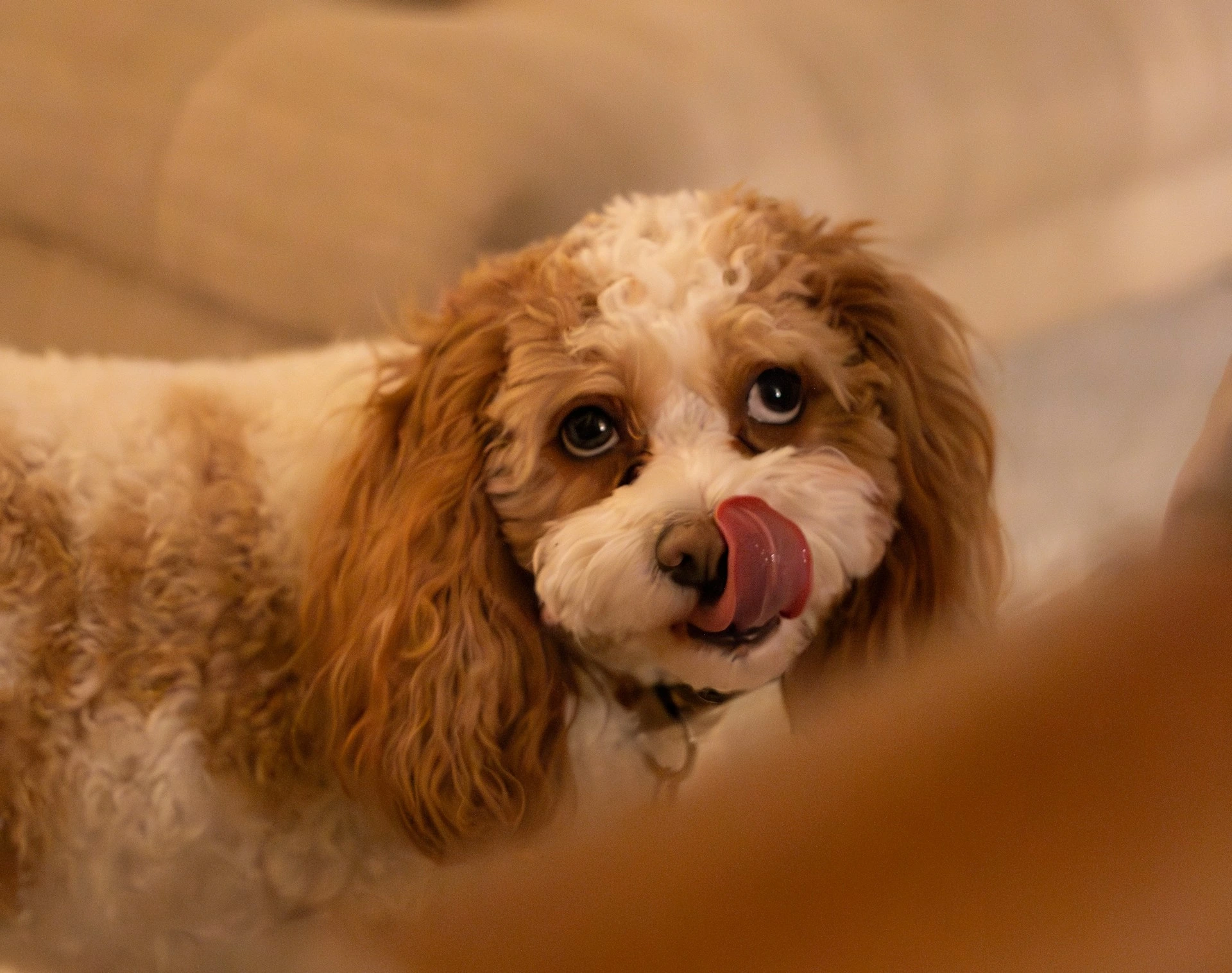
Did you know overweight pets sometimes trick owners into feeding extra by begging? At our Smyrna, GA clinic, we call this the sad eyes con. Instead of giving in, redirect, and reward begging with play or affection. Your pet isn’t starving — they’re skilled manipulators!
FAQ
Q: How quickly should my pet lose weight?
Aim for gradual loss: about 1–2% of body weight per week. Faster loss may be unsafe.
Q: Can I just feed my pet less of their current food?
Not always. Cutting portions may deprive them of nutrients. Veterinary weight-control diets are designed for safe calorie restriction.
Q: Is exercise really safe for overweight pets?
Yes, when introduced gradually. Start with short walks or play sessions, increasing as stamina improves.
Visit Our Smyrna, GA Veterinary Clinic
Schedule an appointment at our Smyrna GA vet clinic to address pet obesity and create a plan for your furry friend. At Smyrna Animal Hospital in Smyrna, GA, our veterinarians will assess your pet’s body condition, design a tailored feeding plan, and suggest realistic activity goals. Stop searching for a “vet near me” and rely on our veterinary clinic for expert support. The takeaway from this article is simple: preventing and managing pet obesity means more years of love, play, and companionship with your fourlegged buddy. Call today to start your pet’s weight management journey.
Click here for our services page, and find out more about our clinic and the animals we treat.
This blog is intended for informational purposes only. Always consult with your veterinarian for individualized medical advice, diagnosis, or treatment.

Seasonal Pet Care: Protecting Dogs and Cats Year-Round
Hip Dysplasia in Dogs: Recognizing and Managing Signs
!Social Icons