
Header Logo

Pet Body Language: Decoding Dogs and Cats’ Signals
Wouldn’t it be amazing if your furry bestie could just tell you what they’re thinking? While pets can’t speak our language, they communicate constantly through body language. At Smyrna Animal Hospital, our veterinarians often explain to families in Smyrna, GA that learning to read pet body language is one of the most valuable skills an owner can have. By decoding the subtle cues from both dogs and cats, you’ll understand when your fourlegged buddy feels relaxed, anxious, playful, or in need of help.
Why Understanding Pet Body Language Matters
Pets rely on nonverbal communication to express emotions, needs, and even discomfort. When owners miss or misinterpret these signals, stress and misunderstandings follow. For example, a wagging tail doesn’t always mean happiness — in some cases, it signals uncertainty or agitation. Similarly, a cat rolling onto its back isn’t always inviting belly rubs. Decoding dog body language and cat body language signals allows you to respond appropriately, strengthen your bond, and prevent accidents or stress.
Dog Body Language: What to Watch For
Relaxed Dogs
- Loose, wiggly body
- Tail wagging slowly or gently swishing
- Ears in a neutral position
- Soft eyes, sometimes blinking
This combination usually means your canine companion feels safe and content.
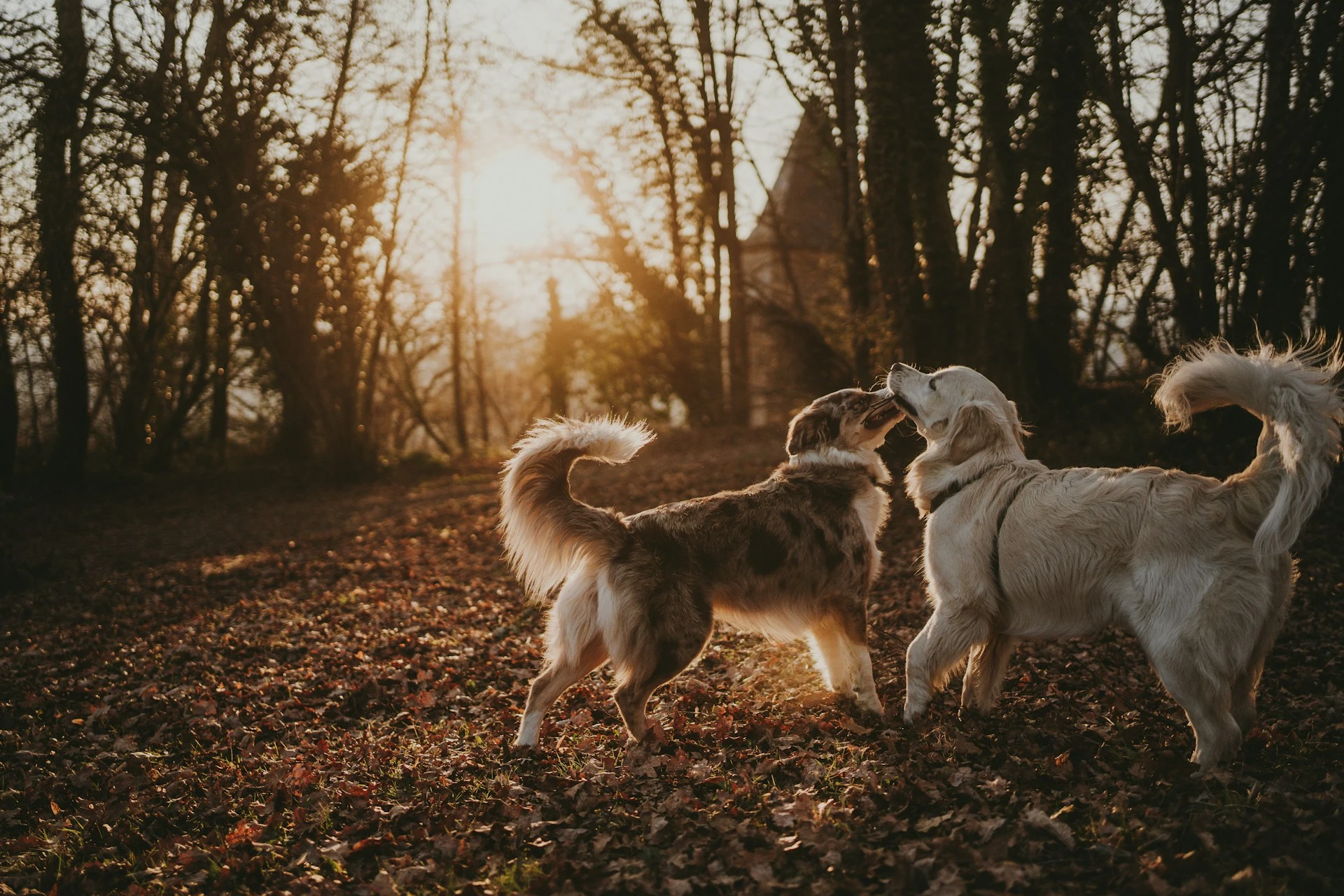
Playful Dogs
- “Play bow”: front end lowered, tail high and wagging
- Quick movements, bounding, or bouncing
- Relaxed mouth, sometimes open as if “smiling”
This is the classic “come play with me” invitation.
Anxious or Fearful Dogs
- Tail tucked tightly under body
- Ears pinned back
- Trembling, yawning, or licking lips when not tired or hungry
- Avoiding eye contact
Dogs showing these signs may need reassurance, space, or help from your veterinarian to manage anxiety.
Aggressive or Threatened Dogs
- Stiff, upright posture
- Direct stare, hard eyes
- Raised hackles (fur along the spine standing up)
- Growling, snarling, or baring teeth
Recognizing these signals early prevents escalation. If your pup shows them regularly, a checkup at Smyrna Animal Hospital can rule out pain or medical issues contributing to irritability. PetMD has an article about Fido’s body language here. The ASPCA also wrote about canine aggression in this blog, which you can read here.
Cat Body Language: What to Watch For
Relaxed Cats
- Purring, kneading paws
- Upright tail with a gentle curve
- Half-closed eyes, blinking slowly
- Relaxed posture stretched out or curled loosely
This is the feline equivalent of a smile.
Playful Cats
- Pouncing, batting toys, or chasing movement
- Ears forward, eyes wide
- Tail twitching quickly at the tip
Cats often combine playful signals with bursts of energy.
Anxious or Fearful Cats
- Ears flattened sideways or back
- Crouched posture, body close to the ground
- Wide eyes with dilated pupils
- Hissing, growling, or rapid tail flicking
Stress in cats can escalate quickly. If your kitty shows these signs regularly, our veterinarians in Smyrna, GA can help with behavior strategies.
Aggressive Cats
- Arched back, puffed tail and fur
- Direct stare, ears flattened
- Hissing, swatting, or biting
- Tail lashing back and forth sharply
These signals mean your feline companion feels cornered or threatened. For background, check our previous blog on kitty aggression here.
Subtle Signals Owners Often Miss
Dogs
- Excessive yawning or lip licking often signals stress, not sleepiness.
- Turning the head away can mean “I need a break.”
Cats
- Slow blinking is a sign of trust. Returning the blink builds connection.
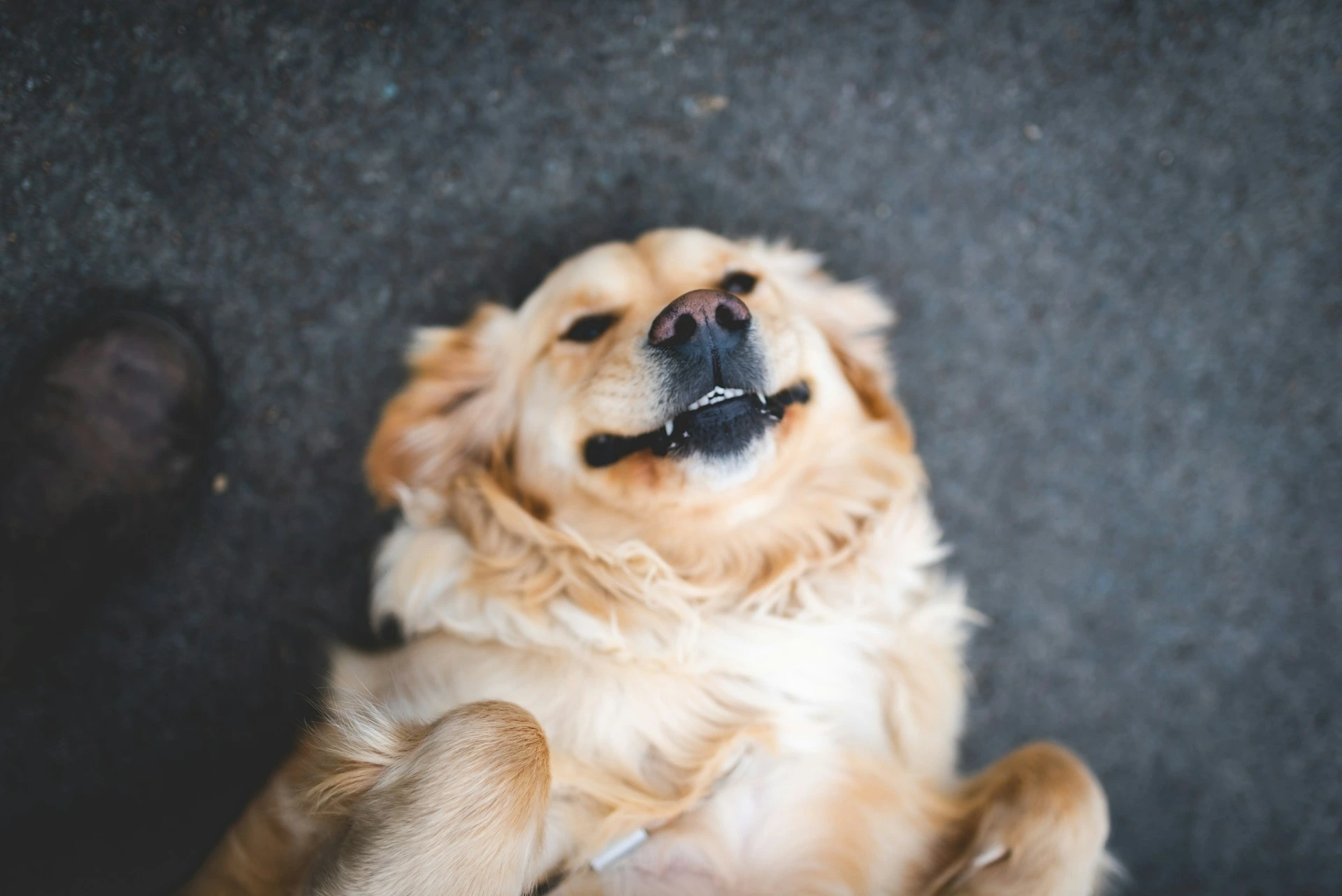
- Exposed belly often means relaxation but not always an invitation for belly rubs.
Using Body Language to Strengthen Bonds
Build Trust
Responding appropriately to signals shows your pet you understand and respect their needs. For example, backing away when your kitty flicks her tail in annoyance prevents stress.
Improve Training
Training sessions succeed when you notice signs of frustration or distraction and adjust accordingly. Recognizing when your pup is relaxed and focused allows you to reinforce learning effectively.
Detect Health Problems Early
Changes in body language often signal pain or illness. A normally playful pup who becomes stiff and withdrawn, or a cuddly cat who hides and avoids touch, may be signaling discomfort. Regular exams at Smyrna Animal Hospital in Smyrna, GA help determine if medical issues are the cause.
Fun Fact from the Vet’s Office
Did you know dogs use facial expressions to communicate with humans more than with other dogs? Studies suggest pups developed “puppy dog eyes” to strengthen bonds with people. Cats, on the other hand, rely heavily on tail and ear movement to signal mood.
FAQ
Q: Can pets hide pain through body language?
Yes. Both dogs and cats instinctively mask pain. Subtle changes like stiffness, hiding, or decreased activity may be the only clues.
Q: Is a wagging tail always a sign of happiness?
No. A high, stiff wag can signal agitation or alertness. Context and body posture matter.
Q: Why does my cat blink slowly at me?
Slow blinking is a sign of trust and affection. Returning the blink strengthens your bond.
Visit Our Smyrna, GA Veterinary Clinic
Schedule an appointment at our Smyrna GA vet clinic if you’re unsure about your pet’s signals or notice sudden changes in behavior. At Smyrna Animal Hospital in Smyrna, GA, our veterinarians can help you decode pet body language, explain subtle dog body language signals, and guide you through cat body language signals for better understanding. If you’ve been searching for a “vet near me,” our veterinary clinic is here to help strengthen your relationship with your fourlegged buddy. The main message is clear: learning to read pet body language deepens trust, prevents stress, and improves health. Call today to schedule your consultation.
Click here for our services page, and find out more about our clinic and the animals we treat.
This blog is intended for educational purposes only. Always consult your veterinarian for individualized advice about your pet’s behavior or health.
Seasonal Pet Care: Protecting Dogs and Cats Year-Round
Hip Dysplasia in Dogs: Recognizing and Managing Signs
!Social Icons